The vet who's studied
your animal
for twelve years.
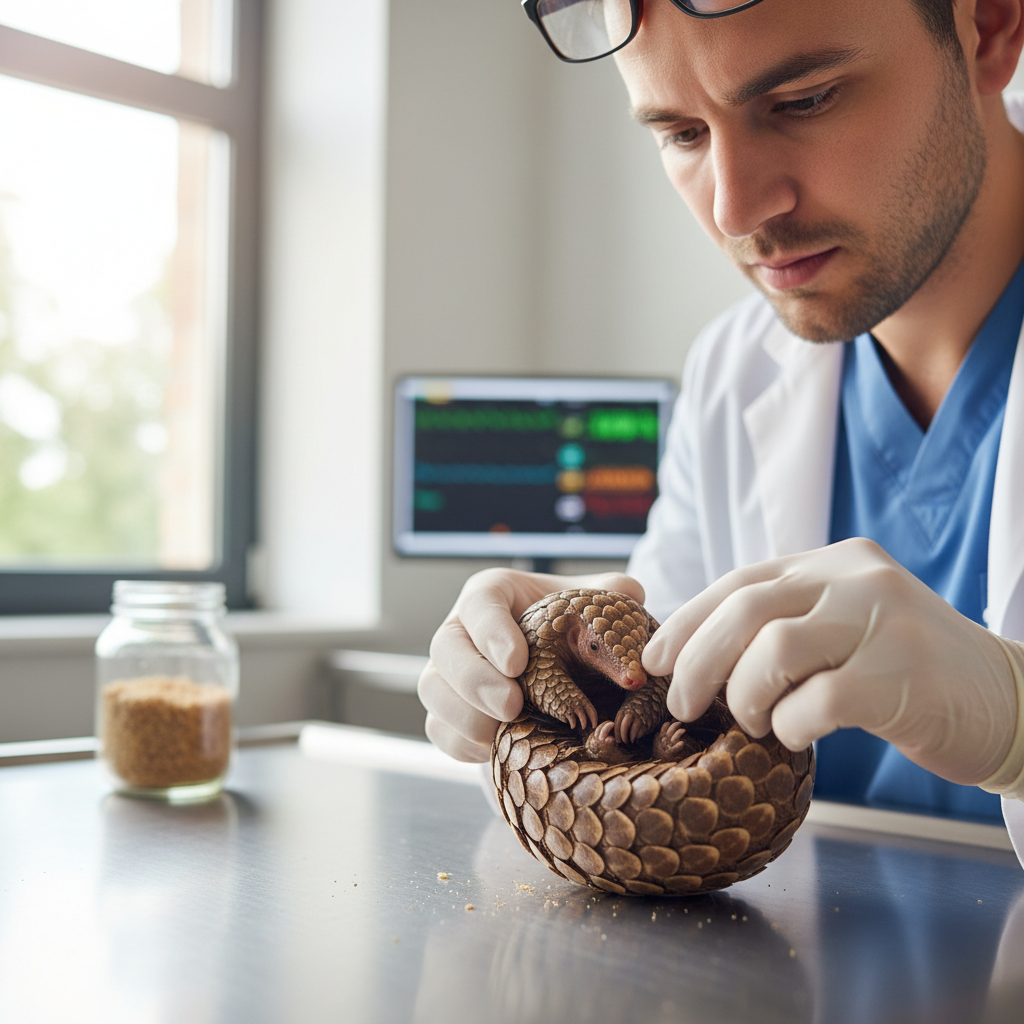
Bearded dragon ultrasounds. Beak realignments. Sugar glider anesthesia. Reptiles, birds, small mammals, amphibians, and invertebrates — nothing else.
"Your vet Googles it. We've studied it for twelve years."
Select your animal
Click an animal above to see tailored information.
Questions we hear every week.
Every answer below comes from twelve years of holding these exact animals. Select your species.
Questions we hear every week in the reptile room.
Deeper context
Tail rot (necrosis) in leopard and crested geckos progresses faster than owners expect. The dark discoloration means tissue death is already underway. We'll assess whether debridement, antibiotic therapy, or partial amputation is needed — all three are routine procedures here. The most important thing: don't soak the tail in warm water without guidance, as this can introduce bacteria to compromised tissue.
Deeper context
We'll weigh them against their last recorded weight, palpate for retained eggs or masses, and check for cryptosporidiosis — a parasitic infection that causes chronic anorexia and is frequently missed by general-practice vets unfamiliar with snakes. We'll also review your husbandry setup: temperature gradient, humidity, hide placement, and prey size. Eighty percent of ball python anorexia cases resolve with husbandry correction alone.
Deeper context
Ultrasound lets us visualize the reproductive tract for follicles or retained eggs, assess organ size and texture, and detect fluid accumulation without radiation. We've performed over 800 reptile ultrasounds in-house. For gravid females especially, imaging every 4–6 weeks during follicular development helps us catch dystocia before it becomes life-threatening.
Deeper context
Chameleon dehydration is one of the most common reasons we see these animals in crisis. By the time skin tenting is visible, they're severely compromised. We assess hydration status via mucous membrane moisture, urate color, and skin elasticity. Mild cases respond to a 20-minute warm soak and husbandry correction. Moderate to severe cases require subcutaneous fluids — a 10-minute in-clinic procedure that most chameleons tolerate remarkably well.
Not sure if your pet needs to come in?
Check Your Pet's Health Score→Check Your Pet's Health Score
Four questions. A color-coded result. A clear next step.
Step 1 of 4
25%
Which type of animal are you bringing in?
12yrs
Exotic-only practice
4,200+
Exotic exams performed
1,200+
Birds anesthetized safely
800+
Reptile ultrasounds
What we do in-house.
No referrals for things we've mastered. Every procedure below is performed here, by us, with species-specific technique.
Exotic Ultrasound
In-house imaging for reptiles, birds, and small mammals. No referral wait.
Avian Anesthesia
Isoflurane with continuous pulse oximetry. Over 1,200 procedures.
Exotic Dentistry
Chinchilla, rabbit, and rodent dental burring under monitored sedation.
Wellness Exams
Species-specific protocols, not adapted dog/cat checklists.
In-House Lab
CBC, chemistry, parasitology, and PCR for avian and reptile pathogens.
Exotic Urgent Care
Same-day slots reserved daily for critical presentations.
From the waiting room.
She said 'veiled chameleon' before I even finished describing the carrier. I nearly cried. Every other vet called her 'the lizard'.

Priya Nair
Owner of Mango, 3-yr veiled chameleon
My ball python hadn't eaten in four weeks. Scales diagnosed crypto in the first visit. My previous vet suggested 'try a different prey item.'

Marcus Webb
Owner of Obsidian, ball python
Theo started plucking in January. Three vets said 'enrichment.' Scales ran a zinc panel. He had heavy metal toxicity. He's fully feathered now.
Diane Kowalski
Owner of Theo, African grey parrot
Ready when you are
Set your carrier down on a clean exam table.
We'll say your animal's species name correctly on the first try.
Check Your Pet's Health Score→